


By Jeff Peterson, editor-in-chief, PostPress
“The printed book will become obsolete.”
It’s a claim we’ve heard repeatedly in recent years. In reality, however, many readers are trending back toward print – favoring physical books over digital e-books, tablets and computers.
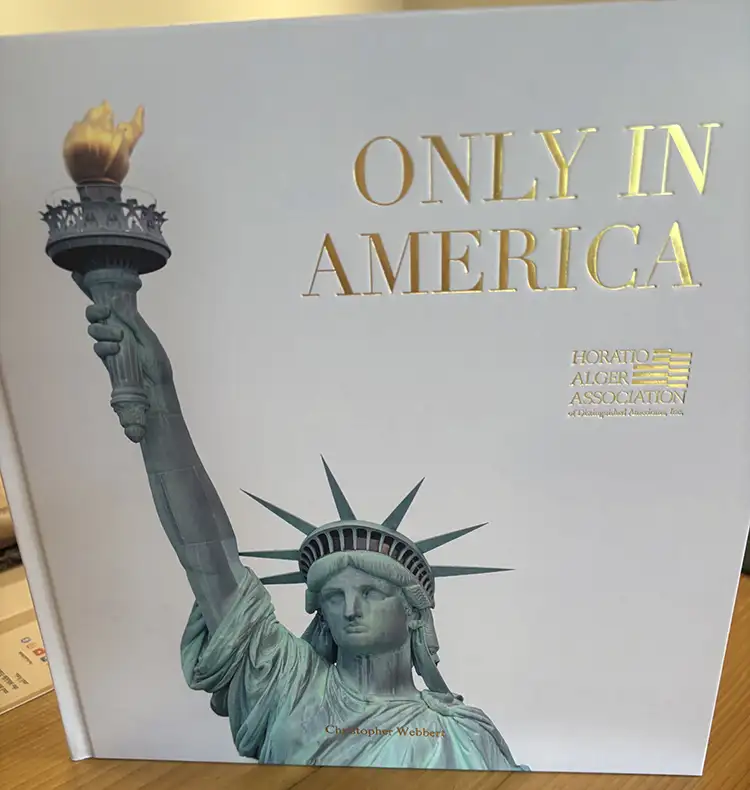
Rick Lindemann, president of Total Printing Systems, a short-run book printer in Newton, Illinois, said today many people are suffering from digital fatigue. “Readers are seeking an escape from a screen, and the printed book is providing that escape,” he explained.
Christine Webbert, CEO of bookbinder Advantage Bookbinding in Baltimore, Maryland, agreed. “The resurgence of printed books speaks to something deeply human – the tactile experience of holding, turning pages and engaging with a physical object simply cannot be replicated digitally,” she commented. “While e-readers and online content offer convenience, readers increasingly value the permanence and authenticity that a well-crafted printed book provides.”
For Aaron Cunningham, vice president of sales and marketing at bookbinder BindTech, printed books “offer a world or narrative that the reader can step into and out of on their own terms. It’s a personal experience that most other forms of media are unable to replicate.”
Research shows that readers retain and comprehend content better with printed material vs. a digital screen. A study by Two Sides North America, an advocate group for print and paper, showed that even younger generations prefer printed books and materials over digital content.
Printed and Embellished Book Trends
One of the most prevalent trends in book production is the rise of short-run and on-demand digital production. This enables publishers to carry less inventory while maintaining more frequent print runs without increased costs.
For Jim Sorensen, president of Lakeside Book Company, a growing trend is the creation of printed books that readers value not only for their content, but for how they look and feel. “This is being driven by two parallel trends,” he commented. “On one end, manufacturing is becoming more efficient, automated and responsive – enabling
faster turns and more flexible production. On the other, advances in finishing and embellishment are allowing publishers to elevate select titles into premium, highly differentiated products.”
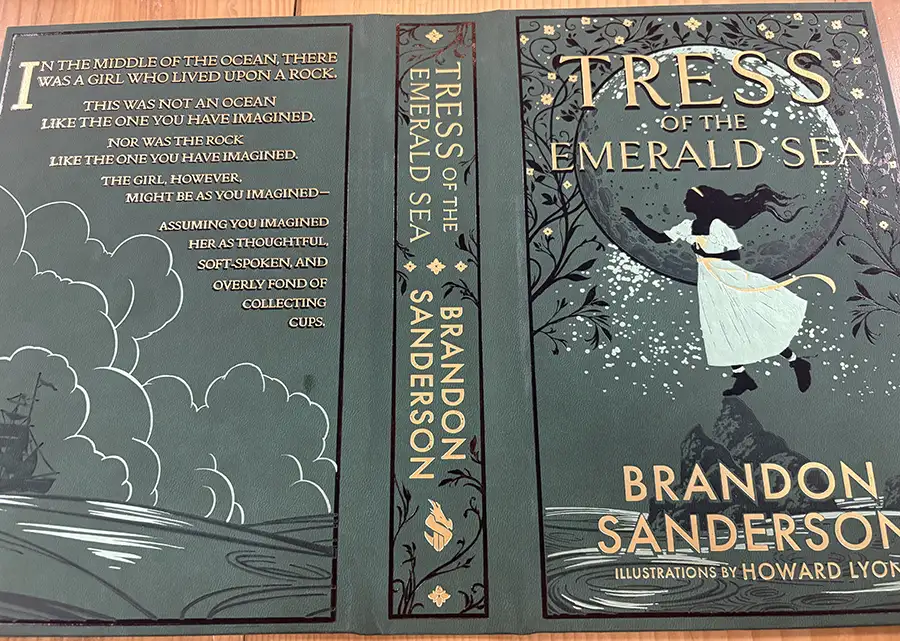
become increasingly common.
Andrew Van Sprang, vice president of sales and marketing for York, Pennsylvania-based book manufacturer Maple Press agreed. “We have seen publishers adding more spot UV, embossing and foil stamping to jackets and covers,” he explained. “Adding these specialty features helps books compete and draw attention from the digital world.”
Edge decoration, Cunningham noted, is an increasing trend in book production – providing an additional creative opportunity for book designers. “We now are seeing people take these edges and pair them with other embellishments, such as matching metallic foil on the cover or an edge print that wraps around the cover and intertwines with spot coatings,” he said.
“Shorter, more frequent print runs and less inventory allow publishers to pivot more quickly and make the best use of their finite cash reserves,” commented Lindemann. He added that when this approach is combined with print-on-demand for slower-moving or newer titles, publishers further can maximize their returns – helping publishers take a cautious approach to launching new book titles while not forgoing potential opportunities.
Webbert has seen publishers investing more intentionally in production quality, treating the physical book as an experience rather than simply a vessel for content. “Soft-touch lamination, textured stocks and elaborate case binding techniques have become increasingly common, even for trade titles that previously would have received more modest treatment,” she stated. Webbert explained that the driving force behind this is largely consumer expectation: “In an era where books compete with digital alternatives, the physical product must justify its existence by offering something richer and more compelling.”
New Technologies
Sorensen said advancements in digital printing technology, workflow automation and finishing capabilities all have expanded what is possible in printing, finishing and embellishing. “Modern production environments are increasingly integrated, allowing for seamless movement from file intake through manufacturing and distribution,” he explained.
“On the binding and finishing side, advances in PUR binding have significantly improved the durability and lay-flat quality of perfect-bound books,” said Webbert. She also believes that automated casemaking and new foil stamping equipment technologies have made high-end finishing more accessible and consistent, while inkjet and UV coating technologies have expanded the range of special effects achievable inline, reducing costs.
Digital embellishment technology has had an impact on book cover production as well. Van Sprang commented, “There are several digital embellishment machines available on the market today that can add spot UV, raised UV, foils and textures.” Digital embellishment technology will continue to play a key role in the decoration of book covers as the technology grows and expands.
Cunningham noted that the technology built into newer equipment is simplifying production across the industry, even as the ongoing shortage of skilled operators remains a significant challenge for book manufacturing and all printing and finishing operations. “Equipment manufacturers have started focusing on making machines easier to set up, run and troubleshoot. A lot of the newer equipment can be set up in minutes, and the skill level required to operate it is significantly less,” he stated. “These advancements will play a critical role in the future of printing and finishing.”
Why Embellishment

“With the printed book on the rise for younger readers, it’s becoming important for publishers to stand out on bookshelves,” stated Lindemann. He added that although readers have returned to printed books, they still are influenced by the digital age. As attention spans and time spent searching for books in stores are shrinking, he believes it’s especially important to very quickly catch the eye of readers.
Cunningham explained that, when done correctly, embellishments aid in telling the story of a book. BindTech recently produced a piece with an image of a golfer hitting a ball out of a bunker with sand flying all around him. The designer chose to add a spot grit UV to only the sand – adding an unexpected tactile element. “The textured coating provided a multi-sensory experience, which instantly transported the reader the golf course,” he commented.
Sorensen added that embellishments not only enhance the physical experience of a book, “they reinforce what makes print unique – creating a sense of value, differentiation and collectability that resonates with readers. In a highly visual and social society, design and presentation play an increasingly important role in discovery and engagement. Books that stand out visually are more likely to capture attention and drive demand.”
Webbert explained how a book cover – whether physical or online – only has a moment to capture attention and that embellishments provide a powerful competitive advantage in that moment. “A cover with tactile or visual special effects communicates quality and intentionality before the reader has absorbed a single word – creating an immediate emotional response,” she stated. She also said, from a commercial standpoint, embellishments have been shown to drive purchase decisions, particularly in the gift and art book categories where the object itself carries significant value. Publishers understand that in a crowded marketplace, production investment on the cover is one of the most effective ways to differentiate their titles and justify a premium price point.
Future Trends
Van Sprang believes the use of embellishments for book jackets and covers will continue to grow, and increased competition will drive prices down, making them even more common in the industry. “I expect that special or deluxe editions with different designs, heavier-weight materials, more embellishments, stained or printed edges and ribbons will continue,” he commented. “This is another way that publishers can drive increases in their revenues by offering special or deluxe editions at a premium over the standard versions.”
“As publishers seek to strengthen the case for print in an increasingly digital world, we anticipate that the book will continue its evolution as a premium object, with production values rising across more categories,” explained Webbert. She also said sustainability will become an increasingly important driver in the future, with wider adoption of FSC-certified stocks, water-based coatings and recyclable materials alongside embellishment techniques that minimize environmental impact without sacrificing visual impact.
Sorensen expects to see continued convergence between efficiency and customization, with manufacturing becoming more automated, connected and demand-driven. He said the role of print as a premium, physical experience will continue to expand. “Publishers increasingly will differentiate through design, materials and finishing, creating products that stand out in both physical and digital environments,” he concluded.
According to Cunningham, differentiation will come from designers who embrace embellishments to enhance the reader’s experience, with edge-printed books becoming more common in the future. “It’s not atypical for us to do three or four versions of the same book, and the cover and embellishments are the only things that change,” he said. “I expect more organizations to lean into selling their products this way in the future.”
Lindemann added, “There always will be mass-production runs for top titles, but it would be wise for printers to prepare for growing demand for customized embellishments and more personalized reading experiences.”
Matt Baehr, executive director of the Book Manufacturers’ Institute, summarized the future of the book printing and bookbinding industry: “While many predicted digital would end the printed book, 2026 finds us at a crossroads of opportunity, where print remains resilient and unit sales are above pre-pandemic levels. By leveraging digital printing and automation, our industry has shifted from a transactional model to a strategic one that prioritizes flexibility, eliminates the waste of excess inventory and ensures the craft of bookmaking continues to thrive in the modern era.”